

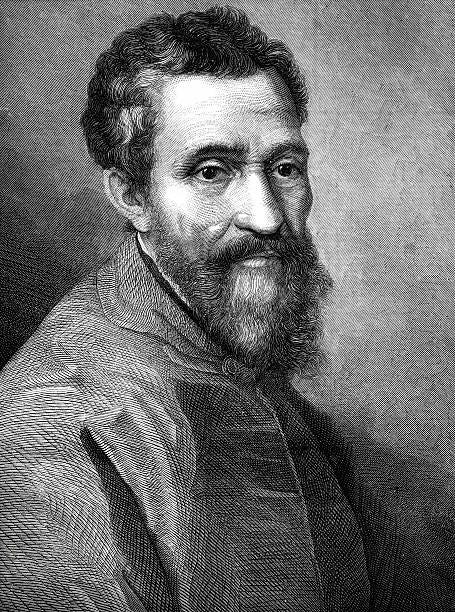
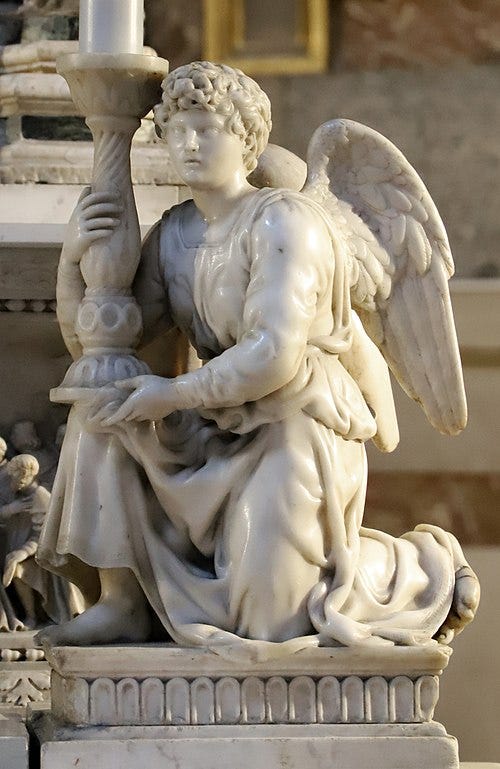
"I saw the angel in the marble and carved until I set him free."
Michelangelo said this at 40.
Already famous. Already wealthy. Already everything he was supposed to be.
Then he walked away from guaranteed papal income to spend four years "wasting time" in marble quarries.
Everyone thought he'd lost his mind.
History proved he'd found it.
The Comfortable Prison
Rome.
Pope Julius II commissions Michelangelo to build his tomb. 40 statues. Architectural marvel. Career-defining project.
Michelangelo takes the deposit.
Then disappears.
Not to another commission. Not to a competitor. To the quarries of Carrara.
For four years, he lives among marble cutters. Selecting stones. Learning their grain. Understanding what each block could become.
The Pope is furious. The cardinals whisper about waste. The other artists celebrate his apparent downfall.
But Michelangelo isn't procrastinating.
He's preparing.
Because he's learned what every executive discovers around 40:
You can't build your masterpiece on someone else's foundation.
The Revelation in the Stone
Here's what Michelangelo understood that took me two decades to learn:
Creation isn't addition. It's subtraction.
Every block of marble contains infinite possibilities. But only one truth.
Your job isn't to impose your vision on the stone. It's to remove everything that isn't already there.
Sound familiar?
That title you've been carrying for 15 years. That industry you fell into after college. That persona you perform in conference rooms.
Layers of marble. Covering who you actually are.
The quietly ambitious aren't trying to become more. They're revealing what was always there.
The Sistine Resistance
Michelangelo returns to Rome.
But not to build tombs.
He's discovered something in those quarries: He's a sculptor, not a decorator.
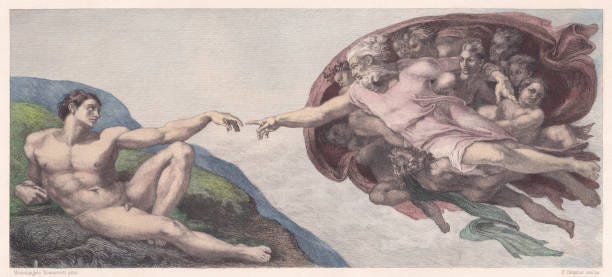
Pope Julius has other plans. Wants him to paint the Sistine Chapel ceiling.
Michelangelo resists. "I'm not a painter," he insists. "I work in stone."
The Pope threatens. The money talks. The pressure mounts.
Sound like your last executive committee meeting?
Here's what Michelangelo does:
He accepts the commission.
But transforms it.
Instead of pretty decorations, he carves with paint.
Instead of flat saints, he creates dimensional gods.
Instead of following the brief, he follows the truth.
The ceiling becomes sculpture in two dimensions.
Because when you know who you are, you don't abandon your genius.
You apply it everywhere.
The Modern Parallel
You're reading this from a role that pays well but fits poorly.
Maybe you're the CFO who thinks in colors.
The CMO who dreams in code.
The CEO who'd rather be teaching.
You've spent years adding:
Credentials
Responsibilities
Direct reports
Board seats
But your next chapter isn't about addition.
It's about having the courage to pick up the chisel.
The Chisel Work
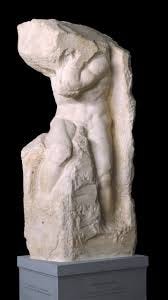
1. Identify Your Marble Block
What identity are you trapped inside?
"I'm a finance guy"
"I'm a corporate executive"
"I'm too old to change"
"I studied this, so I must do this"
That's not you. That's just marble.
2. Find Your Grain
Every stone has a natural breaking point. Every career has a transformation moment.
Where does your current identity naturally want to crack?
When you're most energized vs. most depleted
When time disappears vs. drags
When you create vs. perform
3. Make the First Cut
Michelangelo's first strike was always the hardest. Because it made the decision real.
Your first cut might be:
Saying no to the next promotion
Starting that side project
Having that conversation
Admitting what you really want
4. Trust the Process
You can't see the angel until you've removed enough stone.
Each chip reveals more. Each cut clarifies. Each strike brings you closer to what was always there.
5. Ignore the Gallery
While you're carving, everyone will have opinions:
"You're wasting your potential"
"You're having a midlife crisis"
"You're being irresponsible"
Michelangelo heard it all. Kept carving anyway.

The David Decision
Florence.
A block of marble sits abandoned. Two sculptors have already failed with it. The stone is flawed, they say. Too narrow. Wrong proportions. Impossible.
Michelangelo sees something else.
Not despite the limitations. Because of them.
He doesn't try to hide the flaws. He works with them.
The narrow block forces a pose no one expects. The "impossible" proportions create unprecedented power. The abandoned stone becomes the world's most famous sculpture.
Your limitations aren't bugs. They're features.
That "failed" startup. That "wrong" background. That "wasted" decade.
It's all part of your marble.
The question isn't how to hide it. It's how to reveal what it made possible.
The Unbecoming
At 88, Michelangelo was asked for his secret.
"Ancora imparo," he said.
I am still learning.
Not learning to add more skills. Learning to remove more marble.
Because mastery isn't about becoming everything. It's about unbecoming everything you're not.
Your executive journey gave you the tools. Your success gave you the freedom. Your experience gave you the wisdom.
Now comes the courage.
To stop adding. Start subtracting. Stop performing. Start revealing.
The world has enough executives.
It needs someone willing to pick up the chisel.
To see the angel in their own marble.
And carve until they set it free.
Even if the Pope is waiting. Even if the gallery is watching. Even if everyone thinks you've lost your mind.
Because here's what Michelangelo knew:
Your masterpiece isn't something you build.
It's something you reveal.
One chip at a time. One choice at a time. One truth at a time.
Until all that's left is what was always there.
The angel in the marble. The genius in the executive. The truth in the performance.
You.
Without the layers. Without the additions. Without the apologies.
Just you.
Finally free.
The quietly ambitious don't seek to become more. They seek to reveal what was always there. And sometimes, that looks like destruction to those still adding layers.
But you know better now.
You've seen the angel.
Time to pick up the chisel.
Beautifully written. This isn’t just a post - it’s a mirror. Time to stop performing and start revealing.
"That title you've been carrying for 15 years. That industry you fell into after college. That persona you perform in conference rooms."
This was too close to home for me, I'm still in the quarry exploring...
Thanks for sharing this! It was an enjoyable read. 😍
What were your sources for Michaelangelo related parts? Would love to read more if you don't mind sharing.
Thanks!